


The wedding industry has grown into a roughly $100 billion market in the United States, with approximately 2 million couples married in 2025 alone. The average American wedding now costs $34,000. More than two-thirds (67%) of newlyweds took on debt to pay for their weddings.
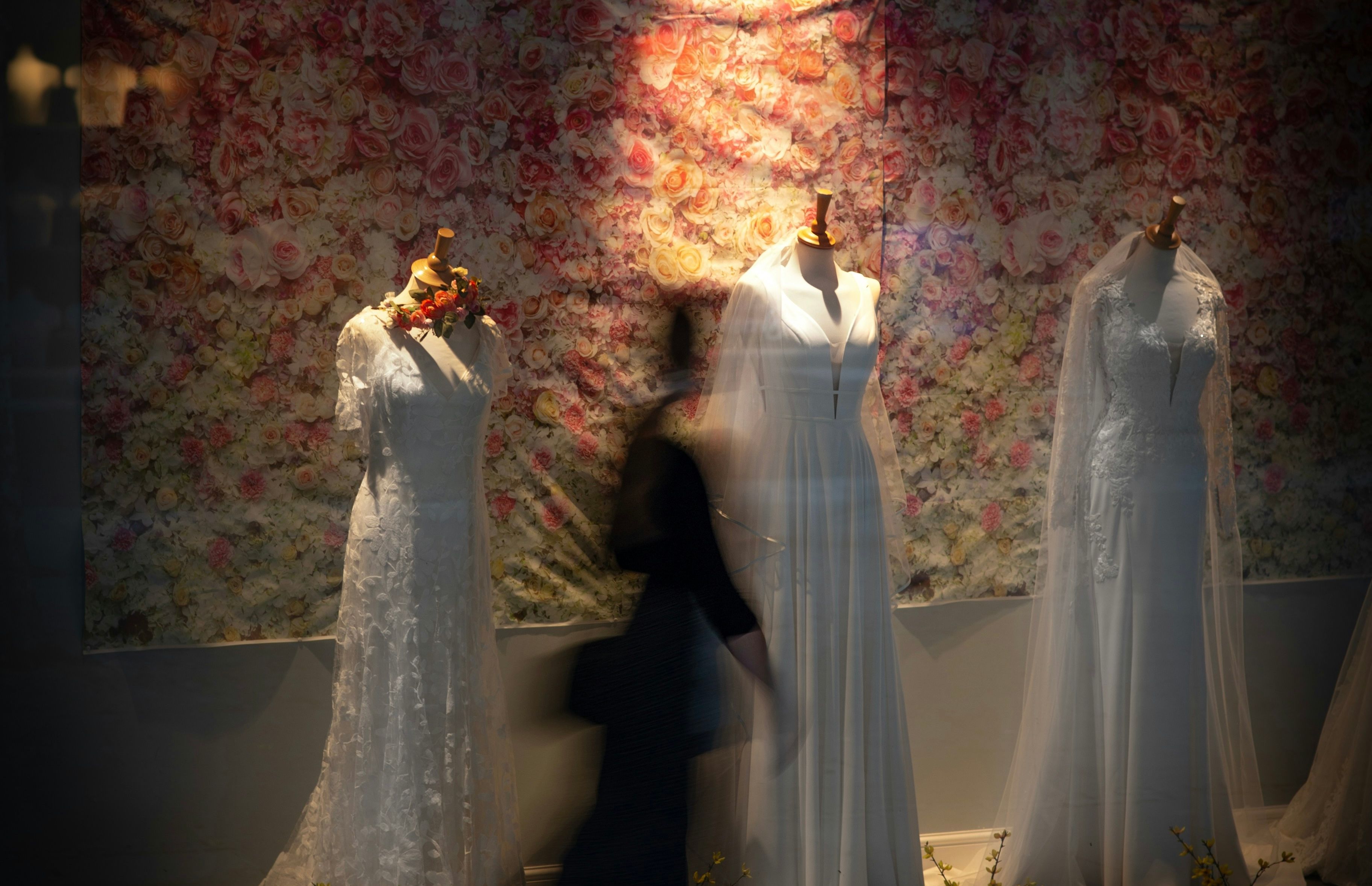
The wedding dress is an important part of the event and involves careful consideration and planning. The dress often accounts for a significant share of a wedding budget. At an average price of $2,100, according to one study of more than 10,000 couples, a wedding gown can be both an emotional and financial investment.
Wedding fraud is on the rise, and extends far beyond the U.S. One recent study in the U.K. found that wedding scams rose by nearly a quarter in the 12 months leading up to September 2024, with victims losing hundreds of dollars on wedding-related purchases. Given the high cost of wedding dresses, shoppers often search for deals and end up being ideal targets for scams.
At SmartCustomer, we’ve identified and continue to track the most common scams: dresses that don’t match what consumers ordered online, cheaply-made replicas, unreachable sellers, undisclosed overseas order fulfillment, and false promises of refunds.
Counterfeit wedding dress scams thrive because they combine emotional urgency, alluringly low pricing, stolen imagery, and payment methods that leave shoppers with little recourse
For this report, we reviewed data from U.S. Customs and Border Protection, the Better Business Bureau’s (BBB) Scam Tracker, FTC congressional testimony, industry research from The Knot Worldwide and LendingTree, and SmartCustomer reviews to determine how and why counterfeit wedding dress scams are increasing.
A counterfeit fashion pipeline
The counterfeit fashion supply chain is flourishing. Manufacturing networks produce knockoffs of everything from luxury handbags to designer apparel. China and Hong Kong account for approximately 90% of all counterfeit goods seized by U.S. Customs and Border Protection. In 2024, CBP seized nearly $5 billion worth of counterfeit luxury, fashion, and footwear products alone. By 2025, the agency had seized more than 78 million counterfeit goods overall.
Wedding dress scammers tap into a profitable niche in this counterfeit pipeline. The genius of this type of scam is that it capitalizes on the unique circumstances of buying a wedding dress. Consumers, eager to cut costs, might opt to buy a wedding dress online. When they are given long lead time estimates for production and delivery, they might not be surprised; bridal shoppers expect that most wedding dresses can often take a long time to make. Or when the dress that arrives doesn’t initially look like the picture on the website, a future bride might expect that a wedding dress often looks much better once it’s been steamed, altered, fitted, and accessorized. Counterfeiters are aware of, and prey upon, these trends and expectations.
Targeted advertising
Often, prospective brides don’t even have to initiate dress shopping. Online websites use tracking data to find potential customers and send them targeted advertisements. Engaged couples are easily identified online by ring photos, venue searches, registry browsing, bridal group memberships, dress pins, and wedding hashtags. The majority of online purchase scam reports filed with the BBB in 2024 originated on social media, particularly Facebook. Social media was also the number one contact method by reported dollar losses to the FTC in 2025, with consumers reporting aggregate losses of over $2 billion through scams that originated on social platforms.
The playbook for wedding dress scams has become brutally efficient. Con artists steal photos directly from designer bridal websites, then use those images to advertise counterfeit gowns at steep discounts on Facebook and Instagram. The seller may use polished product pages, countdown discounts, fabricated reviews, initially responsive chat widgets, and reassuring language about custom sizing. They serve up the perfect temptation: a gown that appears to be the dress, or close enough to it, at a remarkably low price.
The bait and switch
Two common scams involve fraudulent sites delivering a cheap knockoff that looks nothing like the advertised dress, or are delivered too late, if at all. Data highlights the scale of this problem. Online purchase scams were the most frequently reported scam type to the BBB in 2024, accounting for more than a quarter (28%) of all reports. Of consumers who reported online purchase scams, a large majority (88%) lost money. Reports to the BBB have surged more than 125% year-over-year, driven largely by social media viral products. Meanwhile, a survey of 9,397 U.S. adults found that approximately a third (36%) had purchased something online that either never arrived or turned out to be counterfeit and was never refunded.
A counterfeit gown is more than a poor-quality product. It leaves the bride little time to find another dress and have it altered before the wedding day.
SmartCustomer’s reviewer complaints about the poor quality of wedding dresses mirror those on consumer reports across Reddit communities such as r/weddingplanning, r/Weddingsunder10k, and r/Scams. Dresses that are priced far below market value turn out to be frequently poorly executed copies of designer gowns made overseas. Users report receiving garments with disproportionate measurements, thin fabric, visible defects, and construction that bear little resemblance to the polished online photos.
For example, one SmartCustomer reviewer shared that the dress that arrived looked nothing like the picture on the website and when she reached out to customer service about the misplaced embellishments, their solution was to offer to ship her sequins. Another reviewer who ordered a dress with custom sizing shared that the waist of the dress was several inches too big; her requests for a refund were denied. A third reviewer reported that the dress she received looked nothing like its picture on the website; when she spent $65 to return the dress, the company refused to give her a refund due to false claims that the dress smelled like perfume. Finally, one reviewer noted that her dress was improperly sewn, and even after she sent the requested pictures to the company to receive a refund, her request was denied.
Many SmartCustomer reviewers reported receiving their wedding dresses shortly before or even after the wedding. For example, even though one reviewer received her dress three days after the wedding, she was still refused a refund. Another reviewer paid expedited shipping costs to ensure her dress was delivered in time but didn’t receive it until two months after the wedding. A third reviewer noted that the original shipping date ended up being pushed back until after the event date.
Poor customer service
Many SmartCustomer reviewers reported unresponsive or ineffective customer service. For example, when one reviewer received a prom dress instead of the wedding dress she’d ordered, she was told to use the website’s chat tool or WhatsApp instead of calling the company to resolve the issue; her attempts at communication were futile. A second reviewer shared that an online company failed to give a tracking number, so she didn’t know that the dress didn’t ship until many days after its intended ship date. The company refused her request for a refund on shipping costs.
Current red flags
One key warning sign of a scam is a lack of transparency about a site’s location. Some sites claim to be based in the U.S., and their website content is in English, but information about where the dress is actually made and shipped is difficult to find. In some cases, a site’s physical location might be buried in the About Us page or the FAQs, or in the return policy. In other cases, this information might be missing altogether.
Suspiciously low prices are also a critical red flag. Be wary of a seller that offers a dress exactly like a Vera Wang, Mon Cheri, Berta, Galia Lahav, or other designer gown at a tiny fraction of the price on an authorized retailer’s website. The so-called “deal” may result in a poorly made, ill-fitting garment that arrives late.
Payment method options can be another red flag. Consumer advocates consistently recommend paying with a major credit card because chargeback protections can be the difference between a bad purchase and a recoverable loss. Requests for wire transfers, Zelle, Cash App, cryptocurrency, or PayPal “friends and family” often signal scams. Those payment routes are popular with scammers because they make disputes more difficult or impossible.
Tips to avoid wedding dress scams
Bridal shoppers should take the following steps before ordering to ensure they don’t fall prey to wedding dress scams:
- Ensure that the site is an authorized, trusted, legitimate retailer. Check independent review platforms, such as SmartCustomer. Search the company name using terms such as “scam,” “refund,” “wrong dress,” and “counterfeit.” Verify business credentials through the BBB and state licensing databases.
- Determine where the site operates. Identify whether the site has an authentic phone number, email address, and physical address.
- Contact the seller before buying. Verify that the business offers more than a contact form or live chat. Note response times from the seller. Ask specific questions about the gown, not generic questions an AI bot could answer. A legitimate retailer should be able to discuss the specifics of fabric, construction, designer authorization, customization limits, delivery windows, and alterations.
- Find the return policies. Read the return policy before ordering and paying, not after the package arrives.
- Identify the forms of payment the site allows. Never pay by a method that doesn’t offer dispute protection. Using a major credit card provides access to dispute protections if needed.
For the roughly 2 million couples who plan weddings this year, the wedding dress remains one of the most personal purchases of the entire process but also one of the easiest for bad actors to exploit. Slowing down and following precautionary measures before purchasing a dress can help ensure the perfect wedding day.
SmartCustomer will continue to track and publish emerging patterns related to wedding dress scams. If you’ve had an experience that reflects any of the patterns above, reporting it will help prevent others from being scammed. Submitting reviews on SmartCustomer also help you and others from fraud.